

Leaderboard



.thumb.jpg.e58f50c1786850f985aef8f22a6f87f3.jpg)
Popular Content
Showing content with the highest reputation since 09/29/2025 in all areas
-
Hey everyone, I’m just getting started and trying to figure out a simple but effective setup for my first grow. There’s a lot of information out there and it’s honestly a bit overwhelming at the beginning. I’m not looking for anything too advanced yet — just something reliable to learn the basics properly. What would you recommend as a good beginner-friendly setup in terms of lighting, ventilation, and overall environment? Also, are there any common mistakes beginners should avoid early on? Appreciate any tips2 points
-
We are downscaling our setup ahead of a house move and selling two of our TheOneGrow 1000W LED Grow Light. The unit is in excellent second-hand condition and 100% working order. We purchased them last year this time. Key Specs: Genuine Samsung LM281B LEDs Enhanced 660nm deep red light Built-in 0-10V dimming controller for precise light management Optimized full-spectrum output (Veg through to Flower) **Check out our successful crop in the photos attached. We also custom-built a heavy-duty roof hanging rig using a TV bracket, which we are happy to include with the light at no extra charge.** Price: R5,000 each. Location: Johannesburg South relocating to Randburg. We have packaged them up again into their original boxes with all accessories included. Kind Regards1 point
-
I have to ask,are you mistaken end of stem root rot for callouses?Both look the same but with end of stem root rot,the end is soft and mushy,as oppose to callouses,which is also brown but firm.2) I use Aloe vera gel,instead of a powder.In one instance,I used a humidity dome for the first 7 days,then the internet told me to open the vents slightly.When i did,all my clones fell over flat.So I don't open the vents anymore.1 point
-
Hey @Woz Just firing off a welcome note to you, its been over 15 years and good to see you getting back into cannabis growing. Welcome to 420sa.co.za, its a lekker site with a growing future.1 point
-
Depends heavily on which cannabinoid though. THC gets all the spotlight but honestly the newer ones like THC-P are wild - same therapeutic angle but way stronger binding to CB1 receptors. For actual chronic pain or severe symptoms it might be more effective at lower doses than regular THC. CBD still the safer starting point for most people tho, no psychoactive side effects and solid research behind it.1 point
-
Hi folks, Trying to start an indoor grow using clay balls and ro water!. Do I need to add calmag to ro water for germination in Rockwall cubes that are already in their final position surrounded by clay balls?. I buffered the balls with 5.8ph ro water and calmag before installation but have not added any calmag since!. It's been 6 days since planting and still no show!. I understand that they may need a few more days yet but wonder if I should add calmag to the water or leave until they sprout .......... assuming they do?. I've germinated using rock wool, 5.8ph RO water (with no calmag) before with no problems,.........however they where in a propergater!. Any thoughts or advice much appreciated as always.... Cheers...1 point
-
Howzit fellow growers, I recently went full rabbit hole on oxidation — and it's got me rethinking my entire approach to the flowering stage. We all obsess over stability: dialed-in VPD, 40-50% RH late flower, perfect airflow to keep mold at bay, no light leaks, consistent temps. That's table stakes for any serious home grow. But what if we're missing something bigger? What if we could actively combat oxidative stress while the buds are still developing on the plant, not just prevent it post-harvest? Why Oxidation Matters More Than You Think During Flowering Oxidation isn't just a curing/storage villain (where oxygen turns THC into sleepy CBN, kills terpenes, and makes buds harsh and brown). On the live plant, excessive oxygen exposure — combined with heat, light stress, or other factors — can accelerate the breakdown of cannabinoids and terpenes right in the trichomes. Free radicals build up, the plant's natural defenses get overwhelmed, and you end up with buds that look fire but lack that loud smell, potency, or bag appeal you were chasing. Most guides hammer home mold prevention (good airflow, lower RH), but they rarely dive into proactive ways to shield against oxidative degradation during those critical 8–10 weeks of bud swell. What Are Reactive Oxygen Species (ROS)? Explained Like You're 5 Okay, let's break this down super simple. Imagine your plant is like a busy little factory making energy from sunlight (photosynthesis) and breathing oxygen. Sometimes, tiny "sparks" fly off the machines — these are called Reactive Oxygen Species, or ROS for short. They're like angry little molecules (superoxide, hydrogen peroxide, hydroxyl radicals) that zoom around super fast. A few of these sparks are actually helpful — they act like alarm bells that wake up the plant's defenses when something's wrong (like too much heat or a bug attack). But if too many sparks build up (from stress like high temps, bad light, or poor environment), they start burning and damaging the factory parts: the trichomes, the THC, the yummy terpenes — basically turning your precious buds into something less awesome. It's like having a campfire: a little fire keeps you warm and cozy, but too many wild sparks can burn down the whole tent! The goal? Keep those sparks under control so your plant stays happy and your buds stay potent. The Stable Environment Is Key... But What Else? Stability is non-negotiable. But after digging deep, I'm convinced home growers have some under-explored tools to fight oxidation on the live plant: - Boosting the plant's own antioxidants — Think nutrient tweaks that support internal defenses (e.g., balanced micros like magnesium, zinc, or even sulfur-rich amendments that aid glutathione production). - Beneficial microbes — Introducing good bacteria (like certain PGPR strains from Bacillus or Pseudomonas) to the root zone or as inoculants. These little helpers can promote the plant's natural antioxidant systems, reduce stress signals, and help the plant handle oxidative pressure better — all while improving nutrient uptake and overall vigor during flower. - Environmental hacks — Slight CO2 enrichment can sometimes help displace excess O2 or support metabolism, but timing matters (dial it back late flower to let ripening happen). UV-B supplementation boosts resin but can increase stress — so pairing it with countermeasures could be interesting. - Stress minimization — Gentle defoliation to reduce exposed surfaces, strategic pruning for better airflow without shocking the plant, and avoiding extremes that spike reactive oxygen species (ROS). These aren't magic bullets, and most are experimental or niche. The science on live-plant oxidation in cannabis is still emerging (a lot of research focuses on post-harvest or general plant stress), but the logic tracks: reduce free radical damage → preserve more THC, CBD, terps → better end product. My Takeaway (So Far) I'm not throwing out my stable-environment playbook — that's still priority one. But I'm starting to experiment with small additions: tweaking feeds for antioxidant support, adding beneficial microbes early on, and paying closer attention to how light/heat interact with oxygen exposure. If you're a home grower chasing elite quality, this might be the next edge. It's not about reinventing the wheel; it's about adding a few smart layers of protection while the buds are forming. Have you gone down this rabbit hole? Tried any anti-oxidation tricks during flower, like microbial inoculants? Drop your thoughts/experiments in the comments — let's share notes and maybe uncover some gems together. Happy growing, stay frosty, and may your trichomes stay pristine! #HomeGrow #FloweringStage #Oxidation #TerpenePreservation #BeneficialMicrobes1 point
-
Source CBD Vape Pens UK: Are They Safe for Long-Term Use? Source CBD vape pens have gained popularity in the UK as a quick and convenient way to experience the benefits of cannabidiol (CBD). Many users turn to vaping as an alternative to traditional smoking or other forms of CBD consumption. However, as the trend grows, so does the concern about its long-term safety. Are CBD vape pens safe for extended use? Let’s explore the facts, potential risks, and benefits. Understanding CBD Vape Pens and Their Ingredients CBD vape pens are small, portable devices that allow users to inhale CBD-infused vapor. These pens contain a battery, a heating element, and a cartridge filled with CBD vape juice. CBD vape juice UK products typically include CBD extract, vegetable glycerin (VG), propylene glycol (PG), and sometimes flavorings. While these ingredients are considered safe for inhalation in the short term, their long-term effects require further research. You can buy the best CBD products online in UK from here https://cbdfx.co.uk/collections/cbd-vape-juice. Potential Benefits of Using CBD Vape Pens Many users choose CBD vape pens for their potential benefits, such as: Fast Absorption: Vaping CBD allows the compound to enter the bloodstream quickly, providing rapid relief for those using it for pain, anxiety, or stress. Convenience: Vape pens are easy to use and portable, making them a discreet option for CBD consumption. Customizable Dosing: Users can control their CBD intake by adjusting the number of puffs taken. These advantages make CBD vape pens an appealing option, but their long-term impact remains a topic of discussion. Are CBD Vape Pens Safe for Long-Term Use? 1. Effects of Prolonged Inhalation While CBD itself is generally considered safe, the other ingredients in vape juice, such as PG and VG, can pose potential health risks when inhaled over time. Some studies suggest that heating these substances can produce toxic byproducts, including formaldehyde and acetaldehyde, which may irritate the lungs. 2. Respiratory Health Concerns Regular vaping can lead to respiratory issues such as coughing, throat irritation, and shortness of breath. Long-term exposure to certain compounds in vape juice may contribute to lung inflammation, though more research is needed to determine the full extent of these effects. 3. The Risk of Contaminants Not all CBD vape products are created equal. Some lower-quality brands may contain harmful contaminants, including pesticides, heavy metals, and synthetic additives. In the UK, reputable brands must adhere to strict regulations, but consumers should always verify third-party lab testing before purchasing a product. 4. Nicotine-Free Advantage Unlike traditional e-cigarettes, CBD vape pens typically do not contain nicotine, which is a significant advantage for users looking to avoid addiction. However, some vape products may be mislabeled, so it's crucial to buy from trustworthy sources. How to Vape CBD Safely If you decide to use CBD vape pens long-term, follow these tips to minimize risks: Choose High-Quality Products: Always purchase CBD vape juice from reputable brands that provide lab reports confirming the purity and safety of their products. Check the Ingredients: Avoid vape juices that contain unnecessary additives or artificial flavorings that could be harmful when heated. Practice Moderation: Using CBD in moderation reduces the risk of potential adverse effects on your lungs and overall health. Maintain Your Vape Pen: Regularly clean your device to prevent the buildup of harmful residues that could affect inhalation quality. Listen to Your Body: If you experience any discomfort, such as chest tightness or persistent coughing, consider alternative methods of CBD consumption, such as oils or edibles. Alternatives to Vaping CBD For those concerned about the long-term effects of vaping, there are alternative ways to consume CBD safely, including: CBD Oils and Tinctures: Taken under the tongue for quick absorption without lung exposure. CBD Edibles: Gummies and capsules provide a smoke-free way to enjoy CBD benefits. CBD Topicals: Creams and balms can be applied directly to the skin for localized relief. CBD Patches: Offer slow, steady absorption throughout the day. The Future of CBD Vaping Safety As CBD vaping continues to grow in popularity, more research is needed to fully understand its long-term effects. The UK government and health organizations are closely monitoring the industry to ensure product safety and consumer protection. Regulations and testing standards are likely to improve, which will help mitigate risks associated with low-quality products. Conclusion: Is Long-Term CBD Vaping Safe? While CBD itself is considered safe, the long-term inhalation of vape ingredients remains a gray area. The potential risks depend on factors such as product quality, ingredient composition, and frequency of use. Those who wish to use CBD vape pens long-term should prioritize reputable brands, be mindful of their respiratory health, and consider alternative consumption methods when necessary. As research continues, consumers should stay informed and make choices that align with their personal health goals.1 point
-
I partnered up with a friend a couple years ago to start our breeding journey. While we'd both played around with some pollen chucking, with Loud Chasers we wanted to do things properly. So far we're about 2 years into the work, but we wanted to make sure we created something we felt was truly our own before selecting a male to work with for when we hit our keepers and dig into the progeny. We started the process by hitting a few of our best females with a gassy lemon OG male that had some of the most potent sisters we've come across. We then ran through about 50 beans from the resulting crosses and made two selections to take further. One was a very special Sour Power OG cut and the other Death Row, a CSI:Humboldt strain that has Black Death in it, a lesser known cuf from Bodhi. It is a selection of Sterling Skunk. Above: Death Row x Champawat #8 We then ran these two select cuts several times to get an idea of how they express in different environments. I'm now in the process of crossing another OG dominant male into the mix. I want to retain the dark hues and stank of the Death Row #8 we ended up keeping, but also add some pure OG fuel in. I don't mind doing a bit of an incross here to strengthen the OG traits. Above: Sour Power OG (CapeTownLoud Cut) In the other (SPxCH) selection we made, we're also looking to add some of the resin that the Race Fuel line tended to exhibit. We're still a good while out of our final crosses for release and stuff, but at least at this point we're quite far into finding something that feels ours. Hopefully we'll have our final stud selected in the 6 months or so.1 point
-
Brother. I think your approach here is a bit willy nilly. What you're talking about is just a charactaristic. I understand hunting a specific strain, but in this case it doesn't make a lot of sense. Purple weed is not a specific strain. Even a plant that throws out only green buds can be manipulated to produce anthocyanins (the purple) through temperatures and what not. I've got a keeper cut here that I've been growing for years, if I harvest her during winter the buds are all purple, if I harvest her in summer the buds are all green. That's only scratching the surface, cause now we get into the scientific part of it. Alleles. Genetics. Purple buds can be genetic a genetic trait, where as some plants may never produce anthocyanins no matter what you do, some others may throw out purple without any manipulation. Now take that plant, produce seeds from it and you'll end up with a roughly 50/50 split between genetic codes. Here's a bit of a introduction to breeding and how purple/green is a selective trait when breeding genetics. This will be something called "Phenotypes". You will often hear seasoned growers talk about phenos and "clone only" varieties. Every time you pop a seed you get different phenotype. This means your "XYZ" strain from seed wont look the same as your buddies seed from the exact same strain. In fact, buy a pack of 10 seeds, pop them all and let them teach you about phenotypical expression. Now we get into plant plasticity. The ability of a plant to change it's phenotypical expressions in response to different environments. In a way it comes back to the plant being manipulated in order to get different expressions of the same genetic. This means, even if you do get the exact clone from the mother you're talking about, chances are great that you'll end up with something looking a bit different than what you where hoping for, cause you're growing in a completely different environment than the person who grew it you saw the photos of. Geographically different, environmentally different, hight above sea level differs, temp / humidity / time of year all these factor come into play. If you looking for something purple just buy a whole bunch of good seeds from reputable breeder of strains that are well known to throw out purple colour easily and work your way through them. You'll see what I'm talking about. Some aren't even gona go purple at all. Personally, I avoid any purple with a firey passion. Purple weed tastes horrible, ruins the terpene profile as 99,99% of weed that turns purple has a similar taste. It's something you learn through time, the same strains that turn purple, if you can manipulate them and keep them green you end up with a completely different bud, crazy full terpene profile. As anthocyanin is a compound on its own it's no wonder it has impact on the taste, if it's present to the eyes it'll be present to the taste buds when consuming. Purple weed is only for instagram / photos / bag appeal for sellers. It's a selling point, a gimmick.1 point
-
Hey guys, so we started growing this lady in January. Outdoors, in a pot with soil, we were giving nutes up till about 3 weeks ago. Seagro. Its a jack herer X All was going well, stacking up nicely etc up till recently.. There seems to be foxtailing & every day the buds seems like they are getting airier, the leaves seem to be dying quicker than usual. Im assuming its not getting enough sun, has anyone else experienced this? would it be best to do an early harvest? Or any tips or ideas on how to supplement it? Trichromes are clear-milky1 point
-
Could be too much Potassium (causing Cal-Mag as well as Zinc and Iron deficiencies) or too little Nitrogen. Those are weird hours for a Photo, so who really knows, would be great to know PH of the substrate. Either way, first thought is to defoliate, maybe last watering to flush properly and harvest.1 point
-
Plant fades.. cut is my suggestion too. She is that late, rodelization can easy occur. Seagro is more for veg and even for veg is rather weak. If you get your fertilizer from Builders, next time get some GuanoFlo for flower. Should give a way better result.. you lack P and K with Seagro.1 point
-
I would cut the plant down. Looks good, well done1 point
-
That plant seems to be trying to finish fading naturally, But also keep in mind that if you're giving a potted plant a N dominant feed during flower you would promote leafy growth. Have seen flowering plants with more leaves than bud due to this. As we get closer to the winter solstice you're going to start seeing funny things as they technically shouldn't be growing/flowering naturally now-limits being pushed and all that. Some of our outdoor girls also showing a bit of foxtailing, later on the plants will want to start revegging, so you'll have to decide how far you want to push them. Some plants might finish flowering, others will want to start revegging, it will be up to you as the grower to recognize the signs and decide if you want to harvest or let the plant reveg.1 point
-
usually foxtailing happens cause of too much light, but not in terms of intensity, in terms of hour cycle. stray lights perhaps? outdoor cycle is just a mess these days anyway. growing out doors you kinda have to expect some funny stuff, because as we all know nature doesn't give a single shit what the textbook says. the seasons aren't what they used to be, plants think it's winter then we get a whole week of summer, this may cause them to do funny things like foxtailing or even hermie. very common for females in late flower to push nanners when their cycles get messed up or even just a little stray light.1 point
-
I have tried Jack Herer and Trainwreck for a good upper day smoke. The Jack Herer seems to be one of the best Sativa's I have smoked in a while. The high was clear and uplifting that made me want to go and work. The Trainwreck was also really good but I prefer the high from the Jack Herer. Does anyone have any other suggestions for a good day time smoke that wont make you miff or tired. I have also heard Chocolope is good but have not tired that strain yet.1 point
-
We’re your official home to a wide range of smoking paraphernalia and indoor gardening equipment. With us, you’ll find everything you need to prepare for your high. We offer premium quality glass bongs, dab rigs, pipes, vaporizers, grow tents, plant lighting, plant nutrients, and grow systems. We told you we’re your one-stop-shop for everything!1 point
-
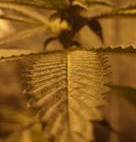
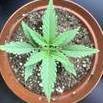
She is very dark, borderline N toxicity. You can see the leaf tips are starting to curl. Cut back on your feeding to once a week. And stop with the Mg foliar altogether. She will grow better with less N and Mg than she is getting now.1 point







.thumb.jpg.40fa3417bb8f746949f0efeca5d720c1.jpg)




This leaderboard is set to Johannesburg/GMT+02:00